
Flat Transmission Belt Supplier
TRANSBELON flat transmission belt is a rubber canvas belt designed for stable pulley power transmission in industrial and agricultural machinery.
- Stable power transfer between pulleys
- Cost-effective flat power transmission belts
- Rubber canvas reinforced structure
- Low elongation for reduced tension adjustment
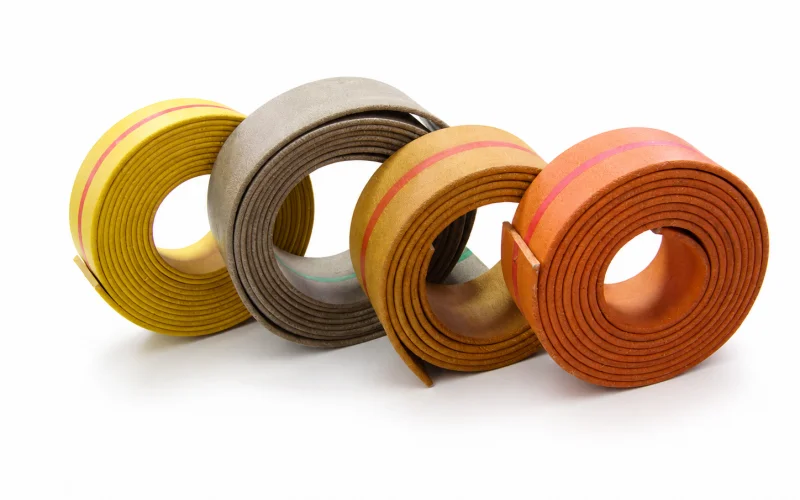
What Is a Flat Transmission Belt?
A flat transmission belt is a flat belt used to transfer rotational force from one pulley to another in mechanical drive systems. Its flat contact surface allows it to run on flat pulleys and support power movement across a wide belt area.
In traditional machinery, a flat transmission belt is often selected where a simple belt drive layout, wide pulley contact, and practical maintenance are required. It is commonly found in equipment that uses belt-and-pulley transmission instead of gear or chain drive systems.
Rubber Canvas Belt Structure
TRANSBELON flat transmission belt uses a rubber and canvas layered construction. The rubber layer provides pulley contact and surface grip, while the canvas reinforcement supports tensile strength and belt stability during operation.
This structure is suitable for machinery that requires a flat belt with balanced flexibility, strength, and practical running performance.
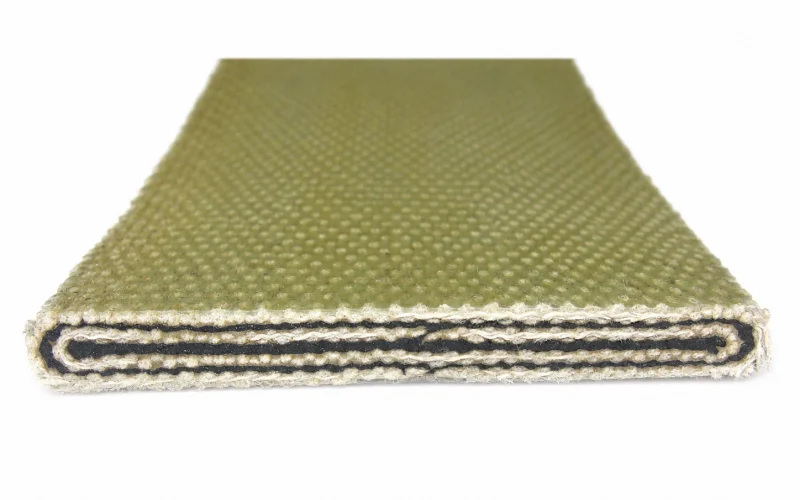
Structure Breakdown Table
| Belt Structure | Function |
|---|---|
| Rubber Surface | Provides pulley contact and friction support |
| Canvas Reinforcement | Supports tensile strength during power transmission |
| Multi-Ply Construction | Helps meet different belt thickness and strength requirements |
| Adhesive Rubber Layer | Bonds rubber and canvas layers into an integrated belt body |
| Finished Belt Edge | Affects belt side appearance and edge protection |
Main Applications of Flat Transmission Belts
Flat transmission belts are used in belt-driven machinery across agricultural, industrial, and grain processing applications.
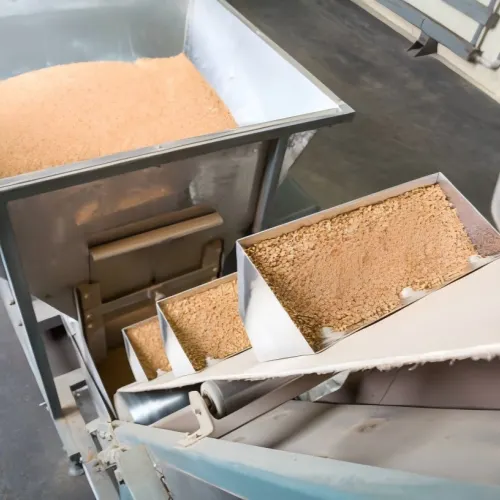
Grain Processing
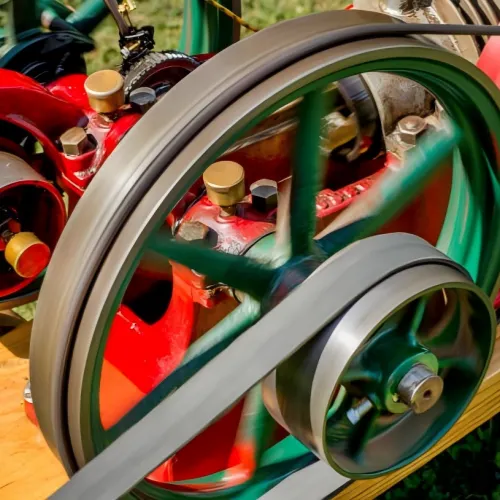
Agricultural Machinery
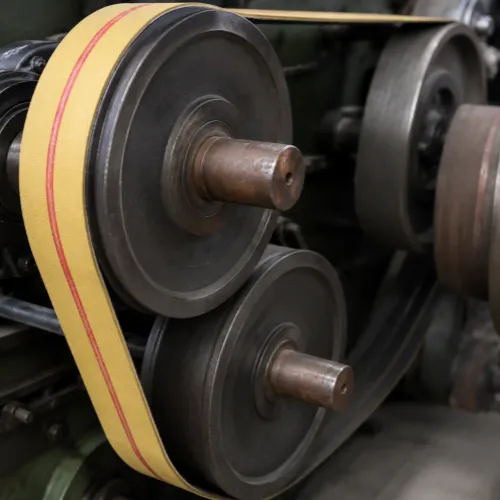
Industrial Equipment

Conveyor Machine
Key Features of Flat Transmission Belts
TRANSBELON flat transmission belts are built for practical belt-driven machinery where running stability, pulley contact, and service efficiency are important.
Wide Pulley Contact
A flat belt surface helps maintain broad contact with the pulley during operation.
Smooth Belt Running
The flexible belt body supports steady movement around flat pulley systems.
Smooth Belt Running
The flexible belt body supports steady movement around flat pulley systems.
Simple Replacement
Suitable for equipment where belt inspection, replacement, and maintenance need to remain straightforward.
Practical Drive Efficiency
A suitable option for buyers comparing flat power transmission belts for simple and economical machinery drive systems.
Specifications Available
The following specifications are available for TRANSBELON flat transmission belts. Final details should be confirmed according to existing belt data, drawings, equipment requirements, or purchase records.
Specification Table
| Specification Item | Available Range / Options |
|---|---|
| Product Type | Rubber Flat Transmission Belt / Canvas Flat Belt |
| Fabric Type | CC56 / TC70 |
| OZ Grade | 28OZ / 30OZ / 32OZ / 34OZ / 36OZ |
| Ply | 2–12 ply |
| Thickness | 1.0–1.6 mm/ply |
| Width | 25–1400 mm |
| Edge Type | Cut Edge / Molded Edge |
| Roll Length | 100 m / 106 m per roll |
| Supply Form | Open roll / endless belt |
| Temperature Range | -35°C to +65°C |
Why Choose TRANSBELON for Flat Transmission Belts
TRANSBELON supports multi-spec flat transmission belt orders for distributors, importers, and machinery buyers.
Multi-Spec Order Handling
You can place mixed orders with different widths, ply numbers, OZ grades, fabric types, and edge structures, so one purchase plan can cover multiple resale or replacement requirements.
OZ + Fabric + Ply Clarity
You can confirm each belt with a complete format such as 32OZ CC56 4P, helping your team avoid confusion between weight grade, fabric type, and ply number during order review.
Cut Edge and Molded Edge Options
You can specify cut edge or molded edge according to purchase records, customer requirements, or existing belt samples, keeping edge structure clear before quotation and production.
Width and Length Coordination
You can arrange different belt widths and supply lengths in one order list, making it easier to manage mixed-size demand for resale, stock planning, or equipment replacement.
Transmission Belt Product Line Support
You get belt-focused communication from TRANSBELON, with Tiantie Industrial support available when your sourcing project also involves related industrial machinery parts.
Supplier Differentiation Line
For buyers comparing flat transmission belt suppliers, TRANSBELON helps organize multi-spec flat belt orders by OZ grade, CC/TC fabric, ply, edge type, width, and length.
Built for Consistent Belt Quality
Before shipment, TRANSBELON checks key production details that affect flat transmission belt consistency, including bonding, thickness, width, edge finish, surface condition, specification matching, and packing.
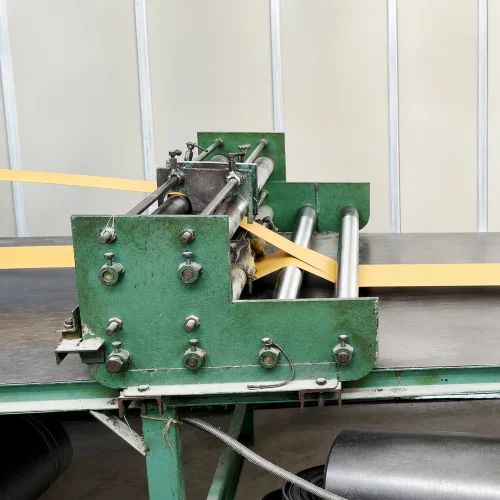
Canvas Layer Bonding
We check whether the rubber and canvas layers are bonded evenly across the belt body, with attention to visible separation, weak adhesion areas, or abnormal layer gaps before packing.
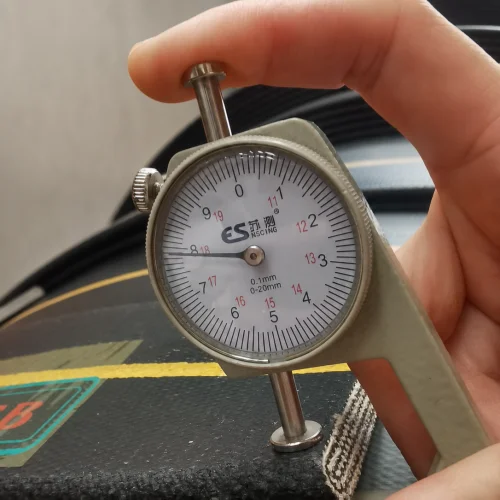
Thickness Measurement
We measure belt thickness according to the confirmed specification, especially for multi-ply belts where thickness consistency affects fitting, running stability, and order acceptance.
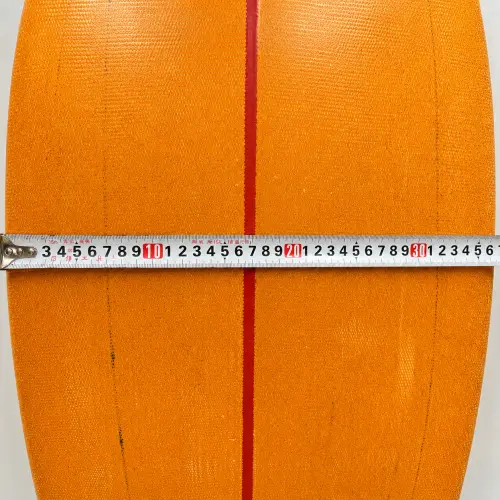
Width Inspection
We check finished belt width after cutting or forming to confirm it matches the order requirement, reducing the risk of installation problems on the buyer’s pulley system.
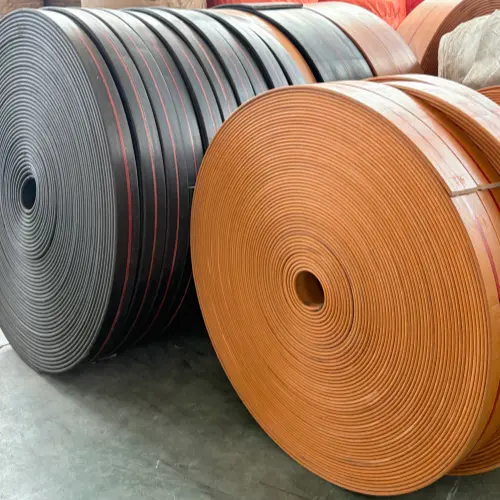
Edge Finish Review
We inspect cut edge and molded edge belts for side finish, edge damage, uneven cutting, exposed layers, or poor edge appearance before the belts are released for shipment.
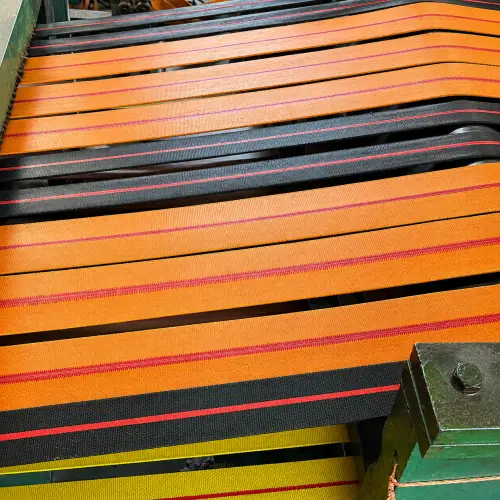
Surface Condition Check
We review the belt surface for visible defects such as cracks, bubbles, uneven rubber coverage, contamination, or handling marks that may affect product appearance or use.
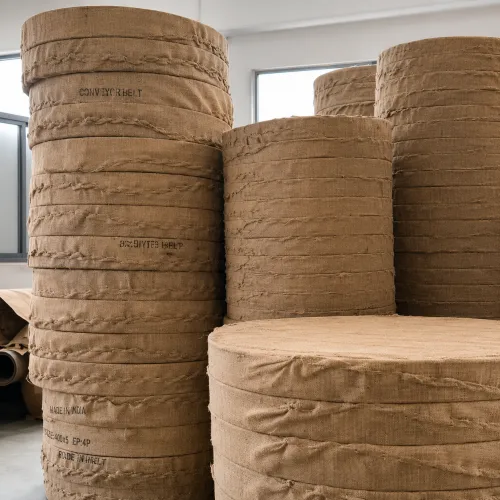
Packing Verification
We verify the order specification, quantity, roll details, labels, and packing condition before shipment, helping buyers receive goods that match the confirmed purchase information.
FAQs
How do OZ grade, fabric type, and ply number work together in a flat transmission belt?
Why does width accuracy matter for replacement flat transmission belts?
When should buyers pay attention to cut edge or molded edge selection?
What makes multi-spec flat transmission belt orders more difficult to manage?
How can buyers reduce specification mistakes when reordering flat transmission belts?
Why is a complete specification more reliable than only sending belt width?
Start Your Flat Transmission Belt Inquiry
Tell us your belt designation and quantity. Our team will provide you a practical quotation within 3 hours.