
Custom Belt Size
Why Dimensional Stability Matters in Custom V Belts
In industrial transmission systems, belt size stability directly affects pulley fit, tension balance, and power transmission consistency during operation.
Even small dimensional deviations may lead to slipping, uneven wear, vibration, or reduced transmission efficiency, especially under continuous load and long-term running conditions.
Unstable Tension
Inconsistent belt dimensions may cause uneven tension, making the belt too loose or too tight during operation.
Slipping Risk
Poor size control can reduce pulley contact stability, increasing the possibility of belt slipping under load.
Uneven Wear
Dimensional deviation may lead to irregular contact surfaces, resulting in faster or uneven belt wear.
Lower Transmission Efficiency
When belt size is not stable, power transmission becomes less consistent, affecting equipment efficiency and reliability.
How Transbelon Controls Custom V Belt Size Accuracy
Custom V belt accuracy is controlled through the complete manufacturing process, not by final measurement alone. From rubber compounding to cord placement, fabric wrapping, molding, and vulcanization, each step affects the belt profile, length stability, pulley fit, and long-term transmission performance.
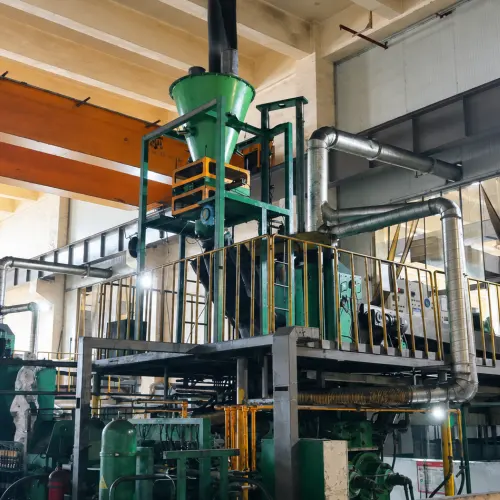
Rubber Compounding & Sheet Calendering
Stable sizing starts with consistent rubber compound preparation. Through controlled mixing, formulation balance, temperature management, and sheet calendering, the rubber material gains the required flexibility, strength, and processing stability before belt forming.
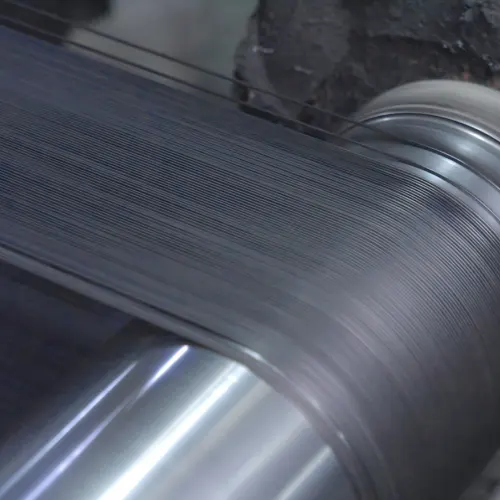
Top Rubber Application & Tensile Cord Placement
The top rubber layer and tensile cord structure are built together to form the load-bearing foundation of the V belt. Accurate cord positioning helps control pitch length stability, reduce elongation risk, and maintain balanced tension during operation.
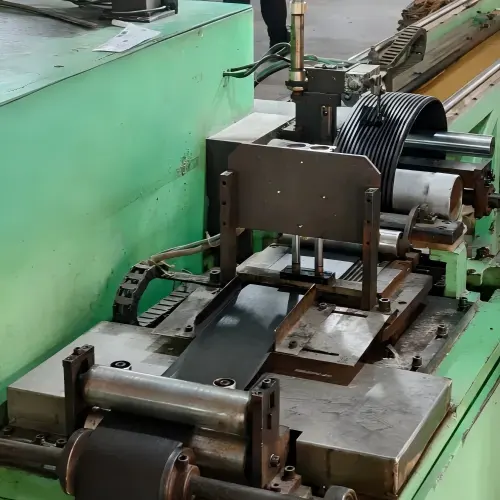
Fabric Wrapping & Profile Forming
For wrapped V belts, the fabric layer protects the belt body and supports stable contact with the pulley groove. Controlled wrapping and forming help maintain the V-shaped profile, sidewall consistency, and reliable pulley engagement.
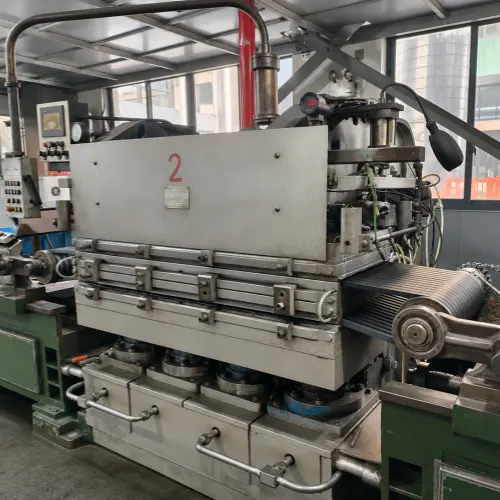
Controlled Vulcanization
Vulcanization is critical to the final belt shape and structural bonding. Stable temperature, pressure, and curing time allow the rubber body, fabric jacket, and tensile cord to integrate into a durable composite structure with better dimensional consistency.
How We Evaluate a Custom V Belt Size
A custom V belt size is not confirmed by length alone. Transbelon evaluates the full drive system to help the belt match the pulley, maintain proper tension, and perform reliably under real operating conditions.
The belt profile should match the pulley groove angle and width. This helps the V belt sit correctly in the groove and maintain stable side contact during transmission.
Pitch length affects belt tension and running stability more than surface length alone. Proper verification helps reduce installation mismatch and tension deviation.
Pulley center distance determines whether the belt can be installed and tensioned properly. The custom size should allow enough adjustment range for stable operation.
Operating load, rotational speed, start-stop frequency, and shock load influence belt stress. These factors help determine whether the size and structure are suitable for the application.
Heat, dust, oil exposure, humidity, and outdoor conditions may affect belt performance. Environmental review helps support better material and structural decisions.
Custom V Belt Sizing for Different Equipment Applications
Different machines require different V belt sizing considerations. Pulley layout, operating load, installation structure, running speed, and working conditions can all influence how a custom V belt performs during actual operation.
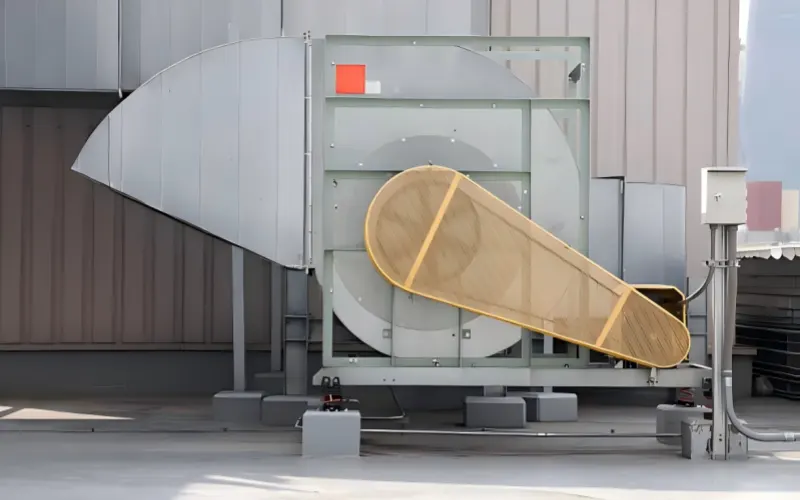
HVAC & Ventilation Systems
Typical Applications
Industrial fans, exhaust systems, air handling units, cooling tower drives
Sizing Focus
HVAC and ventilation systems often require long running hours and stable airflow output. Custom V belt sizing should consider pulley ratio, continuous rotation, vibration control, and tension stability to support smoother operation.
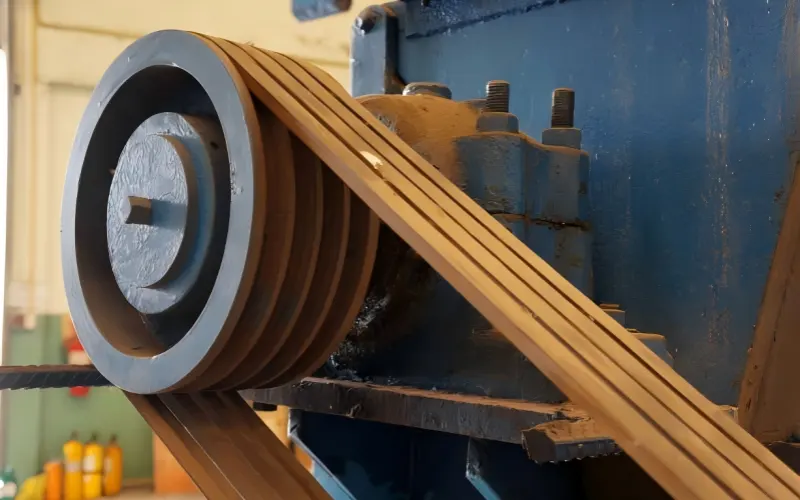
Industrial Motor Drive Systems
Typical Applications
Compressors, pumps, blowers, fans, conveyor drive units
Sizing Focus
These systems usually require continuous transmission stability. Belt sizing should match center distance, pulley ratio, operating speed, and long-running tension consistency.
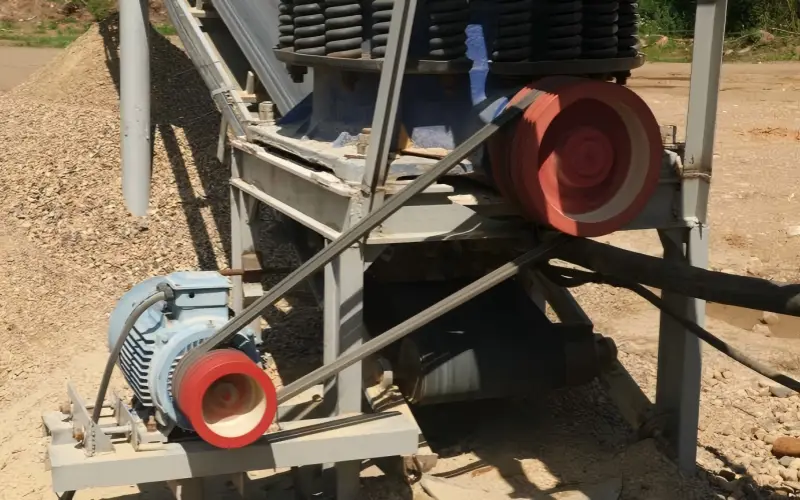
Mining & Heavy-Duty Equipment
Typical Applications
Crushers, mixers, mining conveyors, stone processing machinery
Sizing Focus
Heavy-duty equipment creates higher startup impact and torque load. Custom V belt sizing should help reduce excessive stretching, slipping, and stress concentration during operation.
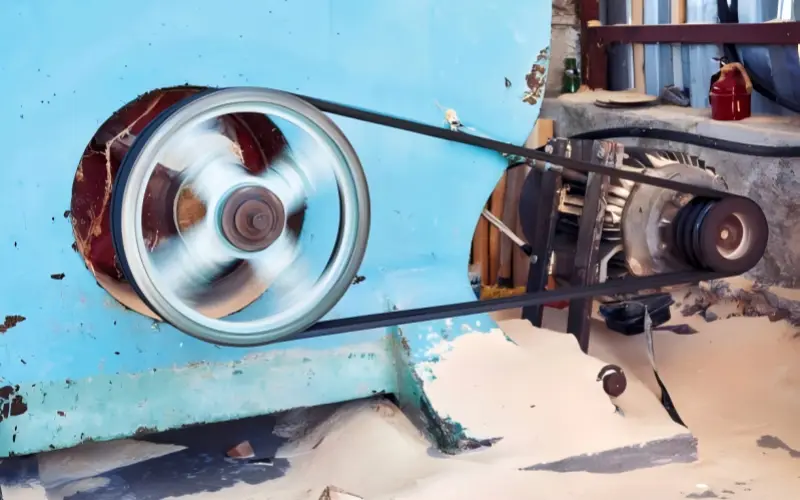
Manufacturing Machinery
Typical Applications
Packaging machines, textile equipment, woodworking machines, machine tools
Sizing Focus
Manufacturing equipment often requires stable speed transmission and compact installation. Belt sizing should consider pulley alignment, installation space, and running smoothness.
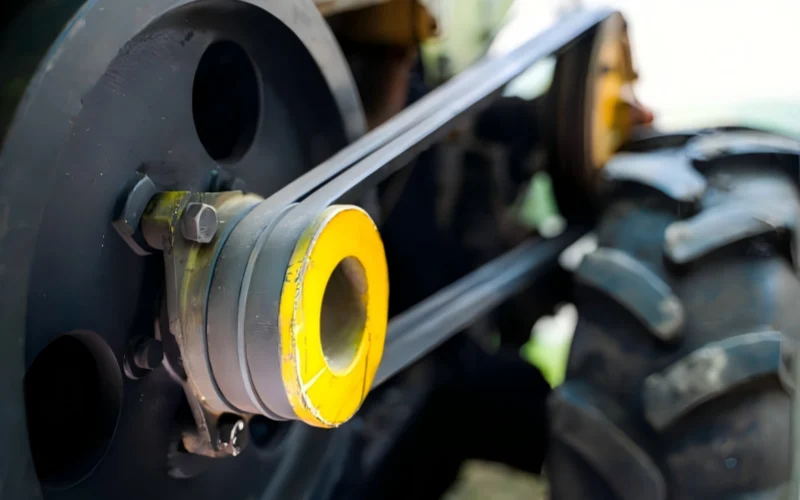
Agricultural Machinery
Typical Applications
Harvesters, tillers, threshers, irrigation systems, tractors
Sizing Focus
Agricultural equipment often operates under dust exposure, vibration, and changing load conditions. Custom V belt sizing should support stable tension and reliable pulley contact during outdoor operation.
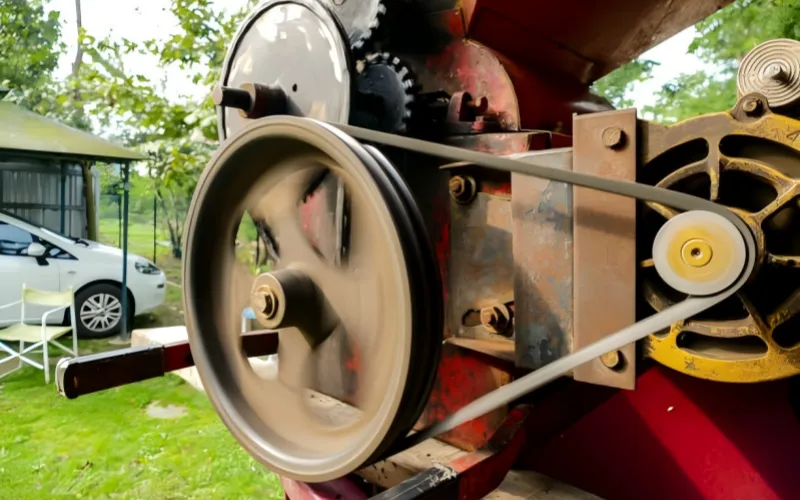
Outdoor Power Equipment
Typical Applications
Generators, concrete mixers, agricultural pumps, mobile machinery
Sizing Focus
Outdoor applications may involve humidity, heat, and dust exposure. Custom belt sizing should support stable operation under changing environmental conditions.
FAQs
How do I know what custom V belt size I need?
Is outside length enough to confirm a custom V belt size?
What details should I provide for custom V belt sizing?
Can Transbelon make a custom V belt based on a sample?
Why Match Custom V Belt Size with Application?
What may happen if the custom V belt size is inaccurate?
Start Your Transmission Belt Inquiry
Tell us your belt designation and quantity. Our team will provide you a practical quotation within 3 hours.